



“When trauma is our teacher, we are ill-equipped to live healthy lives in healthy environments. What we learn, we live.”
We know that trauma often accompanies children when they enter the child welfare system. Usually, we talk about the effects of trauma and how caregivers can respond with support. Today, we’re looking at trauma through the lens of personal history to understand how individuals can discover, address, and heal the trauma in their own stories.
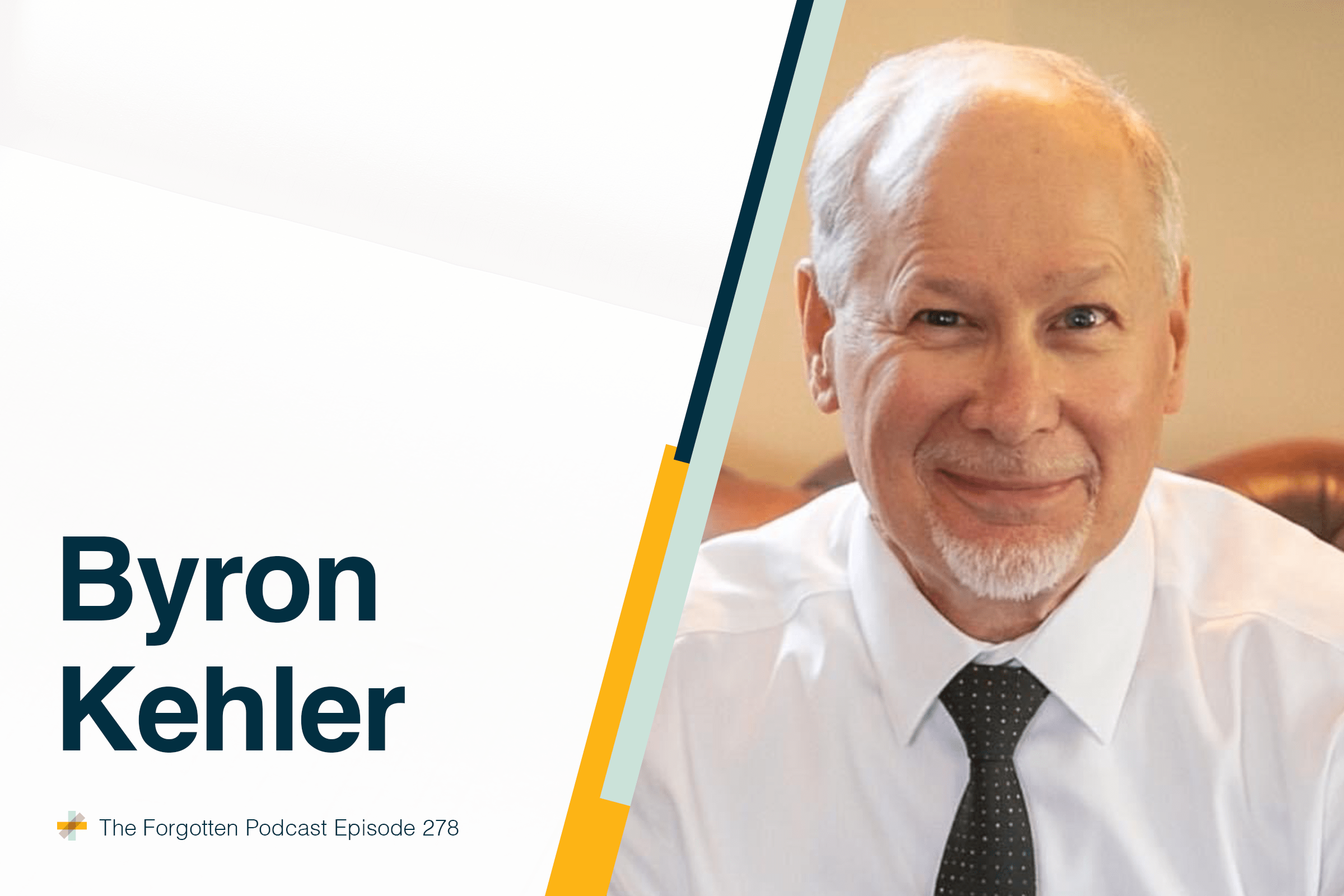
Joining us to offer insights on “Story-Informed Trauma Therapy” (SITT), the method he created, is Byron Kehler. Byron is a Trauma Therapist with a private practice in Portland, Oregon. He’s here to help us understand the stories that lie behind hard behaviors and explore how we can respond with compassion, wisdom, and hope.
In this episode, you’ll hear how best to help children while keeping their stories in mind, the power of helping children who have endured trauma maintain a sense of control, why our pasts can have such a big influence on our patterns today, and much more.
- Connect with Byron on his website
- Self-Care and Trauma Stewardship Training
- Give to The Forgotten Initiative
- Foster Care & the Church
TAKEAWAYS FROM TODAY’S CONVERSATION:
1. It takes more than love and compassion to address trauma.
Children who enter foster care are doing so due to a disruption in their lives. This produces instability and can affect their attachment and development. Some of the more well-known methods of addressing trauma, such as Trust-Based Relational Intervention (TBRI®), did not become widespread until the 2000s. In years past, it was assumed by some that the love and care of dedicated foster parents were all a child needed to heal. While having compassion, understanding, and love for a child is still important, we need to cultivate additional skills and tools to help these children cope.
“There are obstacles in the way of kids allowing that love in.”
2. We have to parent differently for kids who have experienced trauma.
Children who have experienced trauma often seek out control in order to feel safe. This can produce behavior that frustrates and actively works against foster parents. If this sounds like your situation, look for ways you can offer the child choices and appropriate opportunities to feel a sense of control. These things can equate to a feeling of safety for children who have had their sense of security shattered.
“That approach shows sensitivity for someone who has experienced trauma. Now you have given them a choice that feels better and is not as triggering.”
3. Healing can only occur when we are willing to return to the point of injury.
Repairing the damage in your life can only occur when you are able and willing to fully understand your story. Sometimes it requires the help of an expert who can walk alongside you through the difficult parts of your past. This process cannot be rushed or forced. Whether it’s you or a loved one in your life who has experienced trauma, it’s important to understand that healing doesn’t happen through hiding from or burying our past—healing starts when we own our stories.
“People heal because they expose those hurts.”

Meet Our Guest
Byron Kehler is a Trauma Therapist with a private practice in Portland, Oregon. He is the developer of “Story-Informed Trauma Therapy” (SITT) and has trained therapists, churches, and ministry leaders around the world. His research-based model has been taught to mental health therapists around the country and has been proven effective in reducing PTSD symptomatology and improving the lives of trauma survivors.
Get encouragement and updates in your inbox.
Be the first to know about new episodes, posts, resources, and stay in the loop about what’s coming up.
Other Episodes You Might Enjoy: